

Introduction
The business landscape is evolving faster than ever before. Companies across finance, healthcare, logistics, retail, and manufacturing are adopting digital technologies to improve efficiency, enhance customer experiences, and stay ahead of competitors. While off-the-shelf software may address basic operational needs, many organizations are discovering that custom software development provides the flexibility, scalability, and competitive advantage required in today’s market.
As businesses continue their digital transformation journey, custom software solutions have become a strategic investment rather than a technical expense. From fintech platforms and banking systems to enterprise management software and risk assessment tools, organizations are leveraging tailored technology to solve complex business challenges.
What is Custom Software Development?
Custom software development refers to the process of designing, developing, deploying, and maintaining software specifically created for a particular business or organization.
Unlike generic software products designed for mass markets, custom software is built around unique business processes, operational requirements, and long-term objectives.
Examples include:
- Loan Management Systems
- Customer Relationship Management (CRM) Platforms
- Banking and Financial Systems
- Portfolio Management Software
- Risk Assessment Solutions
- Enterprise Resource Planning (ERP) Systems
- Digital Payment Platforms
These solutions are designed to align perfectly with organizational workflows and business goals.
Benefits of Custom Software Development
1. Tailored to Business Requirements
Every business operates differently. Generic software often forces organizations to adapt their processes to fit the software.
Custom software eliminates this limitation by being developed around the company’s specific requirements.
Benefits include:
- Streamlined workflows
- Improved operational efficiency
- Better user experience
- Reduced manual tasks
Businesses gain complete control over features and functionalities without unnecessary limitations.
2. Enhanced Scalability
As organizations grow, their technology requirements change.
Custom software is designed with scalability in mind, allowing businesses to:
- Add new modules
- Support increasing user numbers
- Integrate additional services
- Expand into new markets
Scalable solutions reduce the need for expensive software replacements in the future.
3. Improved Security
Cybersecurity remains one of the biggest concerns for businesses worldwide.
Custom software offers stronger security because:
- Security controls are designed specifically for business requirements.
- Access permissions can be customized.
- Sensitive financial and customer data receive enhanced protection.
- Organizations maintain greater control over system architecture.
This is particularly important for financial institutions, fintech companies, and organizations handling confidential information.
4. Competitive Advantage
Businesses using customized solutions often outperform competitors relying on standard software.
Custom platforms allow companies to:
- Automate unique processes
- Deliver better customer experiences
- Launch innovative services faster
- Differentiate themselves in the marketplace
Technology becomes a strategic business asset rather than simply an operational tool.
The Growing Importance of Fintech Solutions
Financial technology, commonly known as fintech, is transforming how businesses manage transactions, investments, lending, and customer services.
Modern fintech solutions support:
- Digital banking
- Mobile payments
- Online lending
- Investment management
- Financial reporting
- Risk analysis
Organizations adopting fintech software benefit from improved efficiency, reduced operational costs, and enhanced customer satisfaction.
As digital finance continues expanding globally, businesses need advanced technology platforms capable of supporting modern financial services.
The Role of Risk Assessment Software
Risk management has become critical for organizations operating in increasingly complex environments.
Risk assessment software helps businesses:
- Identify potential threats
- Evaluate vulnerabilities
- Monitor operational risks
- Improve compliance
- Enhance decision-making
Financial institutions, investment companies, and enterprises rely on these solutions to minimize uncertainty and strengthen long-term sustainability.
Advanced risk-based assessment systems provide valuable insights that help businesses make informed strategic decisions.
Portfolio Management Solutions for Modern Investors
Investment organizations face increasing challenges in managing diverse portfolios while maximizing returns.
Portfolio management software enables firms to:
- Track investment performance
- Analyze market trends
- Monitor asset allocation
- Generate reports
- Improve decision-making
Automated portfolio management systems provide real-time visibility into financial activities while reducing administrative workloads.
These solutions are particularly valuable for investment companies, wealth management firms, and financial institutions seeking operational excellence.
Digital Transformation and Enterprise Software
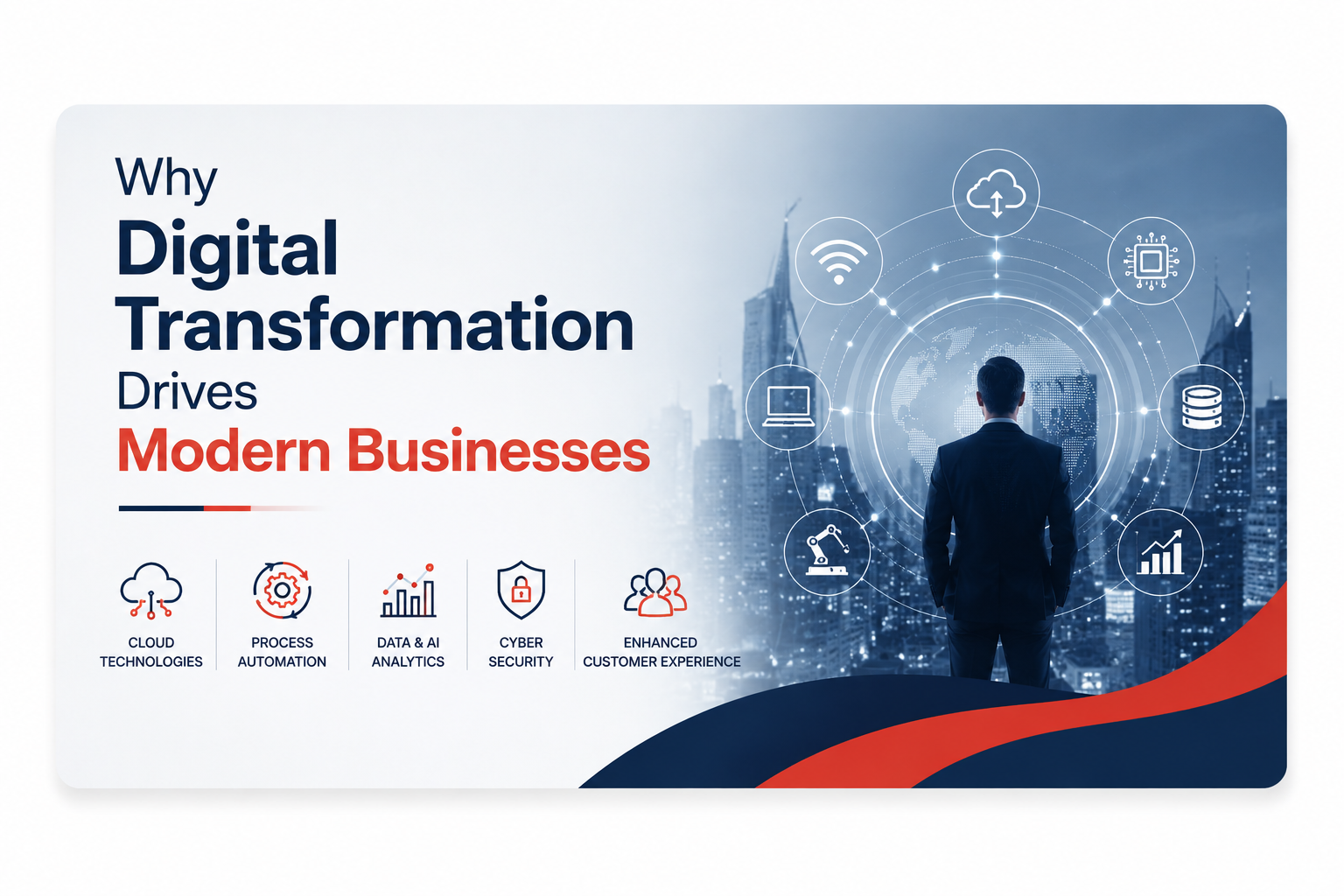
Digital transformation is no longer optional.
Organizations worldwide are investing in enterprise software solutions to modernize operations and remain competitive.
Enterprise software helps businesses:
Improve Collaboration
Integrated systems connect departments and improve communication across the organization.
Increase Productivity
Automation reduces repetitive tasks and allows employees to focus on strategic activities.
Enhance Data Management
Centralized platforms improve data accuracy and accessibility.
Support Business Growth
Modern software infrastructure enables organizations to scale efficiently.
Companies that embrace digital transformation often experience significant improvements in productivity, customer satisfaction, and profitability.
Future Trends in Custom Software Development
Following are the future trends in custom software development
- AI
- Machine Learning
- Blockchain Technology
- Cloud Computing
- Cyber Security


Why Businesses Need Integrated Technology Solutions
Many organizations struggle with disconnected systems that create operational inefficiencies.
Integrated technology solutions help businesses:
- Connect multiple departments
- Centralize information
- Improve reporting capabilities
- Reduce data duplication
- Enhance decision-making
A unified technology ecosystem ensures seamless communication between various business functions and supports organizational growth.
Key Features to Look for in Enterprise Software
When investing in custom software development, businesses should prioritize:
User-Friendly Interface
Software should be easy to use and require minimal training.
Multi-Language Support
Global businesses benefit from multilingual capabilities.
Advanced Security
Strong authentication and data protection mechanisms are essential.
Customizable Modules
Organizations should have the flexibility to adapt software as requirements evolve.
Reporting and Analytics
Real-time insights support better business decisions.
Cloud Compatibility
Cloud-based solutions provide accessibility, flexibility, and scalability. today will be better positioned to capitalize on future opportunities.
By thinking on behalf of our clients every day, we anticipate what they want, provide what they need & build lasting relationships. These are the concept that shape our distinctive culture & differentiate us from others.
Conclusion
Custom software development has become a critical driver of business success in the digital age. Whether organizations require fintech platforms, portfolio management systems, risk assessment tools, banking software, or enterprise applications, tailored solutions provide the flexibility and performance needed to thrive in competitive markets.
By investing in scalable, secure, and innovative software technologies, businesses can improve efficiency, enhance customer experiences, and achieve sustainable growth.
Organizations seeking long-term success should view custom software development not merely as a technology project, but as a strategic investment in their future.
